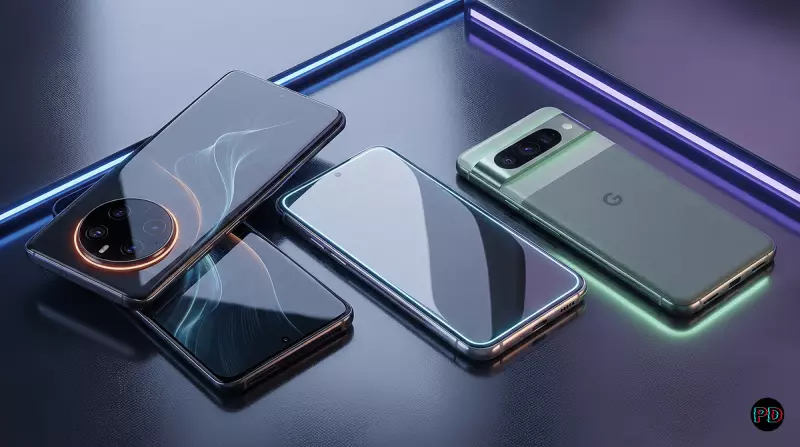
Upcoming Smartphones in 2026: The Most Anticipated Releases and What to Expect
2026 is shaping up to be a major year for smartphones, not because the shape of phones will suddenly change overnight, but because the upgrades are becoming more meaningful in real daily use: on-device AI, better camera processing, longer battery life, and more efficient flagship chipsets.
In this guide, PD Media summarizes the most anticipated smartphones expected to launch in 2026, the likely release windows, what features matter most, and how to decide whether you should wait or upgrade now. Since many 2026 devices are not officially confirmed yet, the details below blend established release patterns with widely reported rumor coverage.
Expected 2026 Smartphone Release Windows
Most major brands follow predictable launch seasons. While exact dates can shift, these windows are commonly expected based on recent cycles and early reporting.
- Late February–March 2026: early flagship wave, typically led by Samsung’s Galaxy S-series launch window.
- March 2026: midrange “value” releases often appear around this period, including Pixel “a” devices.
- August–September 2026: Google Pixel flagship season (based on Google’s recent schedule shift).
- September 2026: Apple’s annual iPhone flagship season.
1) Samsung Galaxy S26 Series
Samsung’s next Galaxy S-series generation is expected to be one of the first major flagship releases in 2026. The Galaxy S26 family will likely focus on efficiency, sustained performance, and camera refinement rather than a dramatic redesign. Samsung’s strategy in recent years has been to iterate on a proven formula, then deliver the most noticeable improvements through processing and chipset upgrades.
What to watch in 2026:
- Flagship chipset performance: better on-device AI speed and improved thermal control for longer gaming and video sessions.
- Camera processing upgrades: sharper detail in low light and more stable video performance.
- Battery efficiency: longer screen-on time through more efficient silicon and software optimization.
External reference: SamMobile (Samsung coverage)
2) Google Pixel in 2026: Pixel 10a and Pixel 11
Google typically splits its lineup into two major moments: an affordable midrange Pixel “a” release, and a flagship Pixel generation later in the year. In 2026, Pixel phones are expected to continue leaning heavily into computational photography and AI features that run directly on the device.
Pixel 10a (midrange): If Google maintains its recent pattern, the Pixel 10a would be a strong option for buyers who want a clean Android experience at a lower price, with excellent camera results for the cost.
Pixel 11 (flagship): Pixel 11 is widely expected in the second half of the year based on Google’s recent scheduling. The Pixel 11 family would likely emphasize Tensor efficiency, smarter AI-assisted features, and upgraded camera pipelines.
What to watch in 2026:
- AI-first camera features: more natural skin tones, improved zoom processing, and better motion handling.
- Efficiency improvements: longer battery life and cooler performance during heavy tasks.
- Software experience: new Android features often arrive first on Pixel devices.
External reference: Android Authority (Pixel coverage)
3) Apple iPhone 18 Pro (Expected September 2026)
Apple’s iPhone cycle is the most consistent in the industry, and 2026 is expected to follow the same September pattern. The iPhone 18 Pro and iPhone 18 Pro Max will likely focus on camera and display refinements, efficiency gains through the next generation of Apple silicon, and incremental improvements to real-world performance.
What to watch in 2026:
- Next-gen Apple silicon: better efficiency and smoother sustained performance.
- Camera refinements: stronger low-light photography and more reliable video stabilization.
- Display improvements: brightness, power efficiency, and possibly new panel capabilities.
External reference: MacRumors (iPhone rumor tracking)
4) Camera-First Flagships: OPPO Find X Ultra Line
OPPO has consistently pushed smartphone camera hardware, especially in zoom and portrait capabilities. In 2026, the brand’s “Ultra” class phones are expected to keep focusing on large sensors, periscope zoom improvements, and photography features tuned for realistic portraits and long-range detail.
What to watch in 2026:
- Periscope zoom upgrades: clearer long-range shots and stronger stabilization.
- Portrait quality: improved edge separation and natural skin rendering.
- Video improvements: better dynamic range and less noise in low light.
External reference: GSMArena (device database)
5) Xiaomi Ultra-Class Flagships in 2026
Xiaomi’s “Ultra” models have become a major part of its high-end strategy, often pairing strong hardware with aggressive camera ambitions. For 2026, Xiaomi’s flagship direction may also involve naming adjustments across regions, but the bigger buyer focus should remain on the core value: premium performance, strong camera results, and competitive pricing compared to other top-tier brands.
What to watch in 2026:
- Camera system upgrades: large sensors and advanced image processing.
- Fast charging and battery tech: Xiaomi often pushes charging speed and battery management.
- Flagship chipset competitiveness: strong performance paired with cooling improvements.
External reference: Notebookcheck (mobile hardware reporting)
What Will Matter Most When You Upgrade in 2026
On-device AI that saves time
In 2026, the best phones will likely use AI for practical tasks, not just marketing. Expect features like smarter photo cleanup, offline summaries, more accurate voice transcription, and better scene detection that improves camera results automatically.
Battery life and thermals
For many buyers, battery and heat management are the real upgrades. A phone that stays cool and fast during long use sessions will feel “new” longer than one that only wins short benchmark tests.
Pricing pressure and value strategy
Component pricing can influence smartphone pricing. If certain parts become more expensive, some brands may raise starting prices, while others may keep prices stable but adjust storage tiers or feature priorities.
Should You Wait for 2026 Phones?
- Wait for late-2026 launches if you want the newest iPhone or Pixel generation and your current phone still performs well.
- Buy early-2026 Android flagships if you want top performance sooner and you prefer Samsung’s ecosystem.
- Choose midrange phones if you want strong real-world results without paying flagship pricing.
Suggested Internal Links for PD Media
- Best Android Flagships
- Best Camera Phones
- Best Midrange Phones
- iPhone Buying Guide
- Smartphone Camera Buying Guide
External Links (References)