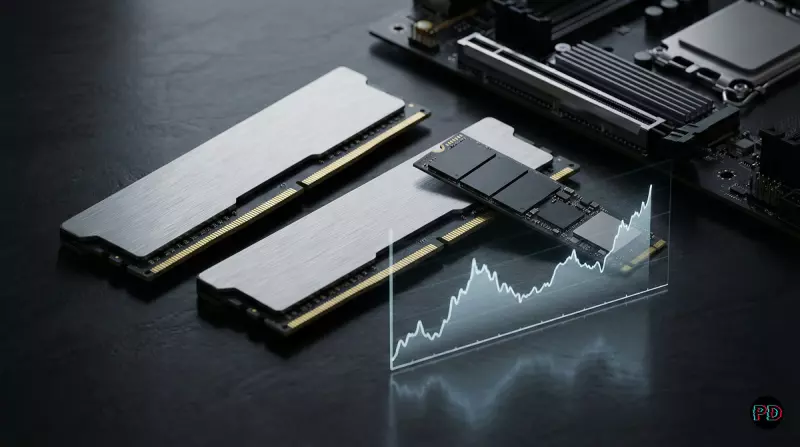
In 2026, many PC builders are experiencing a familiar but frustrating pattern: component prices look stable for months, and then a single category—often RAM—suddenly jumps. The problem is not only retail volatility. The bigger story is structural: memory supply is being pulled toward higher-margin, high-demand segments, and the ripple effects are reaching consumer PCs.
This PD Media guide explains why RAM can spike “out of nowhere,” which other components are likely to follow, and the practical steps you can take to avoid paying peak prices when the market shifts.
Why RAM Prices Spike So Fast in 2026
1) AI data centers are competing with consumer PCs for memory
In 2026, AI infrastructure demand is absorbing a large share of the memory industry’s attention. High-bandwidth memory (HBM) and server-grade DDR are priorities because they deliver better margins and are tied to long-term enterprise contracts. When suppliers and wafer capacity move in that direction, consumer-grade memory availability can tighten quickly, pushing prices up in retail.
2) Memory is cyclical, but the cycle is sharper when capacity is constrained
Memory markets have always moved in cycles, but the 2026 environment can amplify swings: suppliers are cautious about expanding capacity too aggressively, while demand can surge faster than production can respond. The result is a seller’s market where OEMs and system integrators feel the impact first—and DIY builders feel it shortly after.
3) DDR5 adoption increases pressure on popular kits
As DDR5 becomes the mainstream platform for new desktops and laptops, the most popular configurations (common capacities and speeds) can sell through quickly. Even if “RAM” as a category seems plentiful, the specific kits people actually buy can jump in price when inventory turns thin.
Which PC Components Are Most Likely to Rise Alongside RAM
1) SSDs and NAND-based storage
When NAND pricing tightens, SSD prices can move upward as well—especially for higher-capacity NVMe drives. If you are planning a new build in 2026, storage can be the second category to watch after RAM, because it is driven by similar supply and pricing dynamics.
2) GPUs and gaming-focused parts
GPU pricing is influenced by more variables than memory—product cycles, board partner inventory, and demand spikes—but it can still be impacted by broader component costs. If memory and related inputs become more expensive, it can contribute to pricing pressure on gaming builds overall.
3) Motherboards and power supplies (indirect impact)
These categories do not always spike the same way RAM does, but they can creep up when manufacturers face higher overall bill-of-material costs, logistics changes, or demand surges during major platform refresh windows.
How to Buy Smarter When Prices Jump
1) Decide whether you are actually capacity-limited
Many users upgrade RAM because it feels like an easy win, but the best upgrade depends on your bottleneck. If your system is swapping to disk or you run heavy multitasking, more RAM helps. If you are GPU-limited in games, you may get more value by delaying RAM purchases and prioritizing the graphics card.
2) Avoid overpaying for “headline specs”
During price spikes, premium-rated kits often inflate first. If you do not need top-bin speeds, choose stable, widely compatible memory specs that offer strong performance without “collector pricing.” In many real workloads, capacity and stability matter more than chasing small performance gains.
3) Consider timing: buy around platform cycles, not panic moments
The worst time to buy is usually right after the market realizes supply is tight. If your build schedule is flexible, track pricing for 2–4 weeks and buy during short dips rather than reacting to a single price jump.
4) Bundle strategies can beat peak DIY pricing
In some markets, prebuilt desktops and laptop deals are negotiated differently than DIY parts. If RAM prices spike sharply, a discounted prebuilt (or a laptop configuration sale) can sometimes be a cheaper path to the same performance tier.
5) Plan upgrades in a “two-step” path
If RAM is expensive today, you can often build or upgrade in phases: start with a baseline capacity that keeps your system stable, then expand later when pricing cools. This is especially practical for boards with four DIMM slots and for workloads that scale well with added memory.
What This Means for PC Builders in 2026
RAM price spikes in 2026 are not just random retail noise. They are linked to broader memory market priorities, data center demand, and constrained capacity allocation. The key move for builders is to treat memory as a “timing-sensitive” purchase: buy when it is normal, avoid panic buying, and design your upgrade path so you are not forced into peak pricing.
If you are building a PC in 2026, prioritize the parts that define your experience first (GPU for gaming, CPU for creator workloads, storage for large projects), then treat RAM and SSDs as categories that require price watching and flexible timing.
Suggested Internal Links (PD Media)
- RAM Buying Guide (DDR5 vs DDR4)
- Best SSDs for Gaming and Work
- How to Build a PC in 2026
- Best Gaming PC Builds
- PC Upgrade Priorities: What to Upgrade First
External Links (References)
- Reuters: Surging memory chip prices and 2026 impact
- Reuters: PC industry warning on rising memory prices
- TrendForce: DRAM and NAND contract price outlook (Q1 2026)
- TrendForce: DRAM pricing tracker
- IDC: Memory shortage analysis and PC/smartphone impact
- TechRadar: DRAM pricing trend discussion (early 2026)